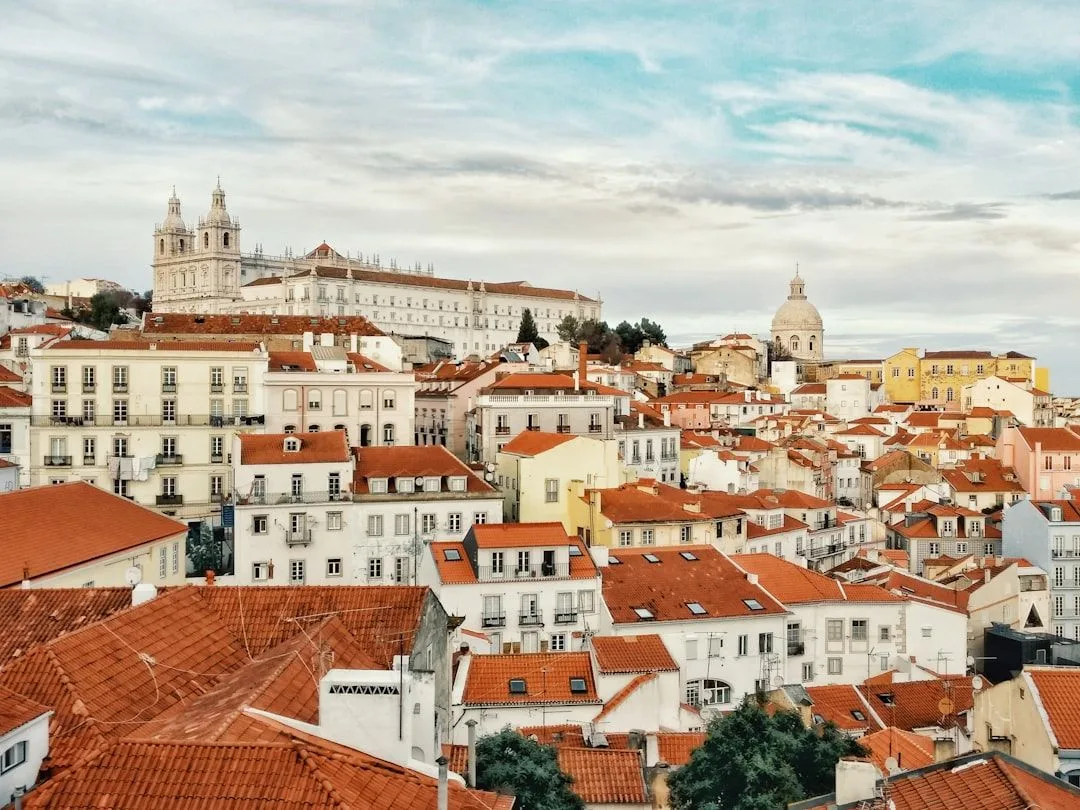
Portugal's walking season is the opposite of northern Europe's. Its hazards are heat and fire rather than altitude, and the best months in the south are the ones people stay home in.
Heat, and the inverted season
Southern Portugal is best from October to May.
The Rota Vicentina along the southwest coast and the Via Algarviana across the Algarve are excellent in winter and genuinely unpleasant in July and August — no shade, exposed clifftop and inland paths, and high heat.
The Alentejo and the Serra da Arrábida are the same.
Walking these in summer is the most common mistake visitors make, because they arrive in the season they would walk at home.
Fire season
Roughly July to September.
Access to forested areas can be restricted and open flames are prohibited. Restrictions are declared at short notice during high-risk periods.
Check the civil protection authority's current status before walking in forest, and take a closure seriously — Portugal has had severe and fatal wildfires, and roads have been cut off.
If you see or smell smoke, leave in the direction the wind is coming from, not away from it.
Madeira's levadas
Paths alongside irrigation channels contouring around the island's mountains, built from the fifteenth century onward to move water from the wet north to the dry south.
Largely level, which makes them unusually accessible for the terrain they cross.
Two things to know:
A head torch is essential on several routes, which pass through unlit rock tunnels running for hundreds of metres. Some drip constantly, so a waterproof helps on a dry day.
Exposed sections with cables occur on some levadas, with substantial drops on the outside. Routes are graded and the grading is worth reading.
Levada do Caldeirão Verde, Levada das 25 Fontes and Pico do Arieiro to Pico Ruivo are the well-known ones. The last is a mountain ridge route rather than a levada, with stairs, tunnels and exposure.
Some routes are closed after storms — check current status.
The mainland north
Peneda-Gerês, the national park in the far northwest — granite, waterfalls, Roman roads, and wild horses. Green, wet, and cold in winter with snow on the tops.
Best in spring and autumn, and workable in summer because it is cooler than the south.
Serra da Estrela, mainland Portugal's highest ground, with glacial valleys and granite. Winter conditions there are real.
The Azores
Volcanic islands with waymarked routes on every island — crater lakes, hot springs and coastal paths.
Mild and wet year round, and far less visited than Madeira.
Pico, Portugal's highest mountain at 2,351 metres, requires a registered ascent and is a serious climb with rapidly changing weather.
Practical
Water. Southern routes have few reliable sources; carry everything you need.
Sun protection year round on exposed coastal paths.
A car for most trailheads, since rural bus services are sparse.
Coastal paths can be soft sand in places on the Rota Vicentina, which is more tiring than the distance suggests.
Winter accommodation in rural areas may be closed — check before setting out.