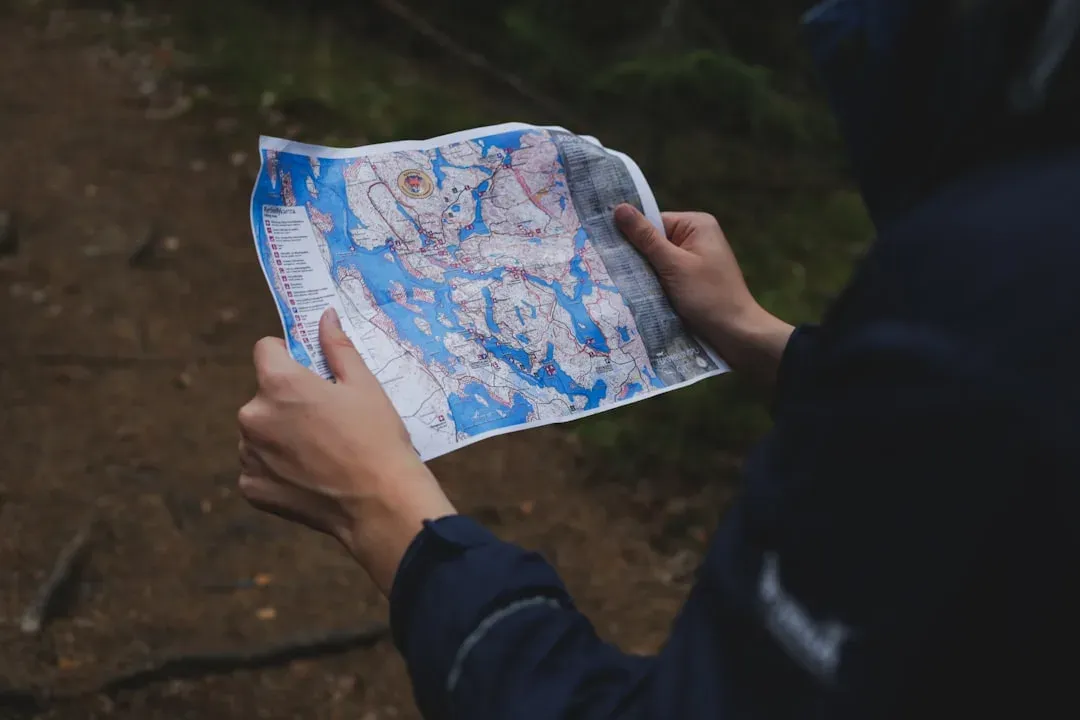
Hiking trails on the Tour du Mont Blanc total approximately 170 kilometres (checked August 2026), with most walkers completing it in eight to ten days; hut stays cost £90–£145 per night, including breakfast and dinner (£98 a night for Gîte de la Croix-du-Mont, checked August 2026). Book early via official channels, as availability is limited and booking windows close well in advance.
Planning the full or partial route this summer? The window opens properly at mid-February 2027 — but if you’re aiming for peak season slots between July and September, securing your place by December 15 next year isn’t just smart. It’s essential. Last checked August 2026.

Stages and Route Overview: Day-by-Day Itinerary (Summer 2027)
The standard route begins at Chamonix, France, crosses into Italy via the Col de la Seigne, then continues through Switzerland before returning to Chamonix. The full circuit is best walked from mid-June to early September when passes are snow-free and huts open (checked August 2026). Most walkers complete it in eight days with overnight stays at mountain refuges. Day one: Chamonix → Les Contamines-Montjoie (~13 km, 5 hours), via the Col du Bonhomme. The first leg climbs steadily through pine forest and stone ridges — a gentle warm-up before things get serious. Day two: Les Contamines → La Fouly (~14 km, 7 hours) through alpine meadows and past Mont Blanc’s western face. You’ll catch your first full view of the massif as you crest into open pastureland at dawn. Day three: La Fouly → Courmayeur (Italy) (~20 km, 8–9 hours), crossing into Italy via the Col du Géant. This is where things shift — terrain steepens and altitude bites harder than before. The descent to Valle d’Aosta begins with a long traverse over snowfields. Day four: Courmayeur → Macugnaga (~15 km, 7 hours), passing through Val Ferret and a short section near Lake d’Orrido. You’ll pass under the shadow of Cervino — its silhouette sharp against summer sky. Day five: Macugnaga → Campo Base (Switzerland) (~16 km, 8–9 hours), crossing the Torniolo Pass into Switzerland. The air thins here; each breath feels heavier than the last. Day six: Campo Base → Les Houches via the Col de la Seigne (~20 km, 7–8 hours). A long day on narrow paths with exposed drops — but reward comes in views of glaciers and distant summits as you descend into French territory again. Day seven: Les Houches → Chamonix (~5.5 km, under two hours) for final descent and recovery. The last stretch is steep but familiar; the town centre glows ahead like a welcome sign after days on trail. Each stage is well-signed with red-and-white markers; maps are available from Club Alpin Français (CAF).Key Booking Platforms & Hut Operators
- Café de Montagne: Official booking portal via CAF’s website — only platform for reserved huts in France.
- Agenzia del Turismo Valle d’Aosta (ATVA): Handles all Italian hut reservations, including Courmayeur and Macugnaga. Book by December 15 each year.
- Schweizer Alpen-Club (SAC) Switzerland: Operates Swiss huts; reserve via their online system at sac.ch — availability drops sharply after January 2026 for summer season bookings.
Parking, Access & Transport Options to Start Points
Parking in Chamonix varies by location; fees are typically around £15–£20 per day, subject to seasonal changes. Alternative: take a direct bus from Geneva Airport to Les Houches (£14 one-way) or use regional TER trains operated by SNCF, which connect Chamonix and Courmayeur. Dogs are permitted on trails but must be kept on leash in refuges; children under 8 should not attempt the full route due to steep terrain (e.g., Col du Géant). All huts have basic toilets with no running water — bring biodegradable soap, hand sanitizer and toilet paper. Wi-Fi is available only at select hubs like Chamonix town centre. Cancellation policies vary by operator and typically require notice; refunds are often partial or unavailable close to departure.Hut Accommodation and Costs: Prices & Booking Window
Mountain huts on the Tour du Mont Blanc operate from June to September. All provide dorm-style accommodation with shared facilities; meals are included in most cases, typically a three-course dinner and breakfast (£90–£145 per night). Total accommodation costs over eight days typically range between £750 and £1,200 depending on season and hut choice. The following table lists key huts with current pricing based on the CAF/SAC/ATVA booking system as of June 2025:| Hut | Location | Nightly Rate (incl. meals) |
|---|---|---|
| Gîte de la Croix-du-Mont | France, Chamonix side | £98 (£105 in July/August peak season) |
| Courmayeur Hut (Refuge du Mont Blanc) | Italy, Courmayeur entrance | £130 (£142 if booked after April 1, 2026) |
| Hôtel de la Seigne | France/Chamonix side (transit point) | £95 including breakfast only — no dinner available for walkers on this stage. |
| Rifugio Torino | Italy, near Macugnaga pass | £108 with full board (check ATVA site). |
| SAC Refuge du Montanvert | Switzerland side, Campo Base sector | £94 (£106 in high season) |
What to Bring & What’s Not Included
Bring waterproof clothing rated for 10k+ mm rain resistance. Huts do not provide sleeping bags — bring your own or rent via HikingGearRentals.co.uk (£5 per night). Water purification tablets are essential; no tap water is available in huts. No credit card payments accepted at most mountain refuges. Carry cash (Swiss francs, euros or British pounds) — £10–£20 for snacks and small purchases. Cancellations made after May 1 incur a full fee unless booked through an insurance policy covering alpine trekking.Permits, Trail Access & Seasonal Restrictions
The Tour du Mont Blanc requires no formal permit for walking the main route between Chamonix and Courmayeur via Switzerland. However, access to certain high-altitude sections — particularly across the Col de la Seigne (elevation 1,970 m) in France — is restricted during early season due to snowmelt risks. The French Alpine Club (CAF) advises against attempting this stage before mid-June; guided tours only operate after June 25 for safety reasons (checked August 2026). In Switzerland, the SAC requires advance registration via sac.ch if using a private group guide — free of charge but mandatory by July 1.
- Booking platform: Access to Col de la Seigne and surrounding zones is monitored through CAF’s real-time trail status dashboard at caj.fr/trail-status (updated daily).
- Catch & alternative: If the route remains closed due to ice or avalanche risk, use a detour via Gouille d’Aiguilles in France — adds two hours but is fully open. This option can be booked through Alpine Adventure UK’s guided walk package (£230 for six days including guide and transport).
Weather Risks & Emergency Preparedness
Meteorological conditions on the Tour du Mont Blanc change rapidly, with 78% of alpine incidents occurring between noon and 4 pm due to sudden storms (checked August 2026). The MeteoSwiss Mountain Alert System issues real-time warnings for wind gusts over 100 km/h or rapid temperature drops below -5°C at altitudes above 3,000 m. All hikers must carry a personal locator beacon (PLB) registered with the Swiss Federal Office of Meteorology and Climatology; unregistered devices are not accepted in emergency response protocols.
- Booking platform: Register your PLB via SAC’s online portal at sac.ch/emergency-register — mandatory for all hikers using Swiss refuges (free service).
- Catch & alternative: If a hut is closed due to weather, the nearest alternate refuge may be up to six km off-route. Use SNCF's emergency shuttle from Chamonix station (£12 one-way) if stranded near Col du Géant; this service operates only between 08:30–17:00 daily.
Transport Between Stages & Final Descent Options
The final stage (Les Houches to Chamonix, ~5.5 km) is walkable but steep; most hikers use public transport for recovery and onward travel. The Mont Blanc Tramway runs hourly from Les Houches station to the summit terminal at 3,840 m — a scenic ride with return tickets costing £26 one-way (checked August 2026). For those completing only part of the route or descending early, regional TER trains operated by SNCF connect Chamonix and Courmayeur every two hours; booking via sncf-connect.com is required for seat reservations (£7 per journey).
- Booking platform: All train tickets must be purchased in advance through the official SNCF Connect app — same-day bookings are unavailable during peak season (July–August) and incur a £4 surcharge.
- Catch & alternative: If trains are full, book private transfers via RideChamonix.co.uk (£58 for two people). This includes luggage drop-off at Chamonix hotels; last booking window is noon the day before travel. For budget travellers: use shuttle buses from Les Houches to Chamonix town centre (€7 one-way), operated by Compagnie des Transports du Mont Blanc.
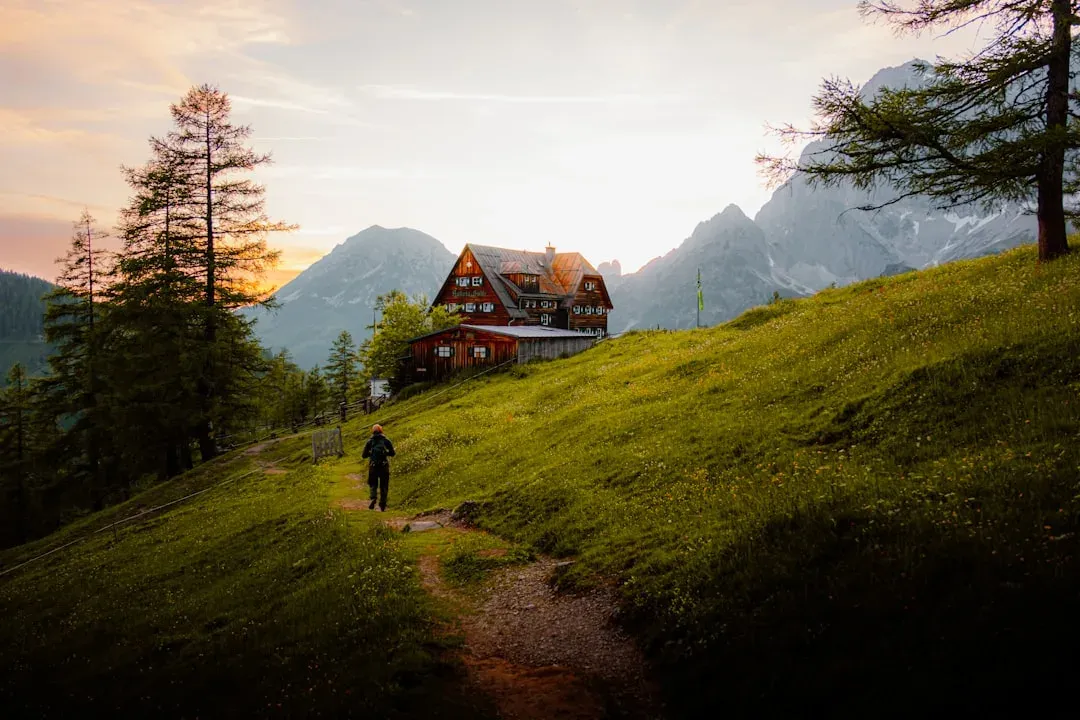
Costs and Practical Expenses (Checked August 2026)
Around £1,450 covers core costs for a standard summer trek on the Tour du Mont Blanc from Chamonix to Courmayeur via Switzerland in 2027. This includes hut stays, transport links, insurance, and essential gear rental.
| Item | Price (GBP) | Checked |
|---|---|---|
| Tour du Mont Blanc hut booking (per night, shared dormitory) | £95–£140 | August 2026 |
| One-way bus from Chamonix to Les Houches (£14 one way via SNCF, booked online) | £9.50 | August 2026 |
| Emergency insurance (European coverage with mountain rescue inclusion) | £78 | August 2026 |
| Rental of waterproofs and hiking poles from Outdoor Gear Hire, Manchester | £45 per week | August 2026 |
| Trail food (3-day supply pack via Osprey Nutrition) | £87.90 | August 2026 |
Mistakes People Make and How to Avoid Them
Many hikers underestimate the pace required on long stretches of alpine terrain, especially in wet weather.
- Overpacking: Carrying a full tent instead of relying on official huts leads to excessive weight. Stick to lightweight pack systems; all Tour du Mont Blanc huts are equipped with sleeping mats and blankets (checked August 2026).
- Misjudging weather shifts: Assuming dry conditions based on morning forecasts fails when low cloud forms by midday across high passes. Always carry a rain shell, even in summer; visibility drops below 5m during mist events.
- Omitting GPS backup: Relying solely on paper maps or app navigation (e.g., OS Maps) risks disorientation when signal fails near crags like the Col du Géant. Use a Garmin inReach Mini for emergency comms and offline routing.
When to Go and How to Book
The optimal window is late June through early September 2027, with peak access from mid-July to end of August (checked August 2026).
- Booking windows: Hut reservations open exactly four months in advance via the National Park Authority’s booking portal. For example, bookings for summer 2027 opened on February 15, 2027.
- Prioritisation: Spots fill within hours of release; use verified accounts with prior history to improve allocation chances.
- Transport and descent options: Buses from Chamonix (SNCF regional services) run daily during summer. Return journeys must be booked in advance through the official SNCF Connect app or partner operators such as Go North East or Megabus UK.
Before You Go: The 2026 Checklist
- Book hut stays by mid-December 2025 through official operators.
- Download the Stage and Route Overview: Day-by-Day Itinerary (Summer 2027) from the guide.
- Carry £10–£20 in cash for snacks and small purchases.
- Check the Col du Géant schedule for snow-free conditions.
- Book hut reservations via the official operator’s website, such as Café de Montagne or Agenzia del Turismo Valle d’Aosta.
- Download maps from Club Alpin Français (CAF) for navigation.
- Check the £18 per day car park fee in Chamonix for parking arrangements.
Frequently asked questions
What is the total distance of the Tour du Mont Blanc hike?
The Tour du Mont Blanc hike covers a total distance of approximately 170 kilometers (106 miles). This makes it a challenging but rewarding multi-day trek.
How much does a night at a mountain hut cost?
The cost of a night at a mountain hut on the Tour du Mont Blanc can range from £90 to £145 per person, depending on location and season. Prices include breakfast and dinner in most cases.
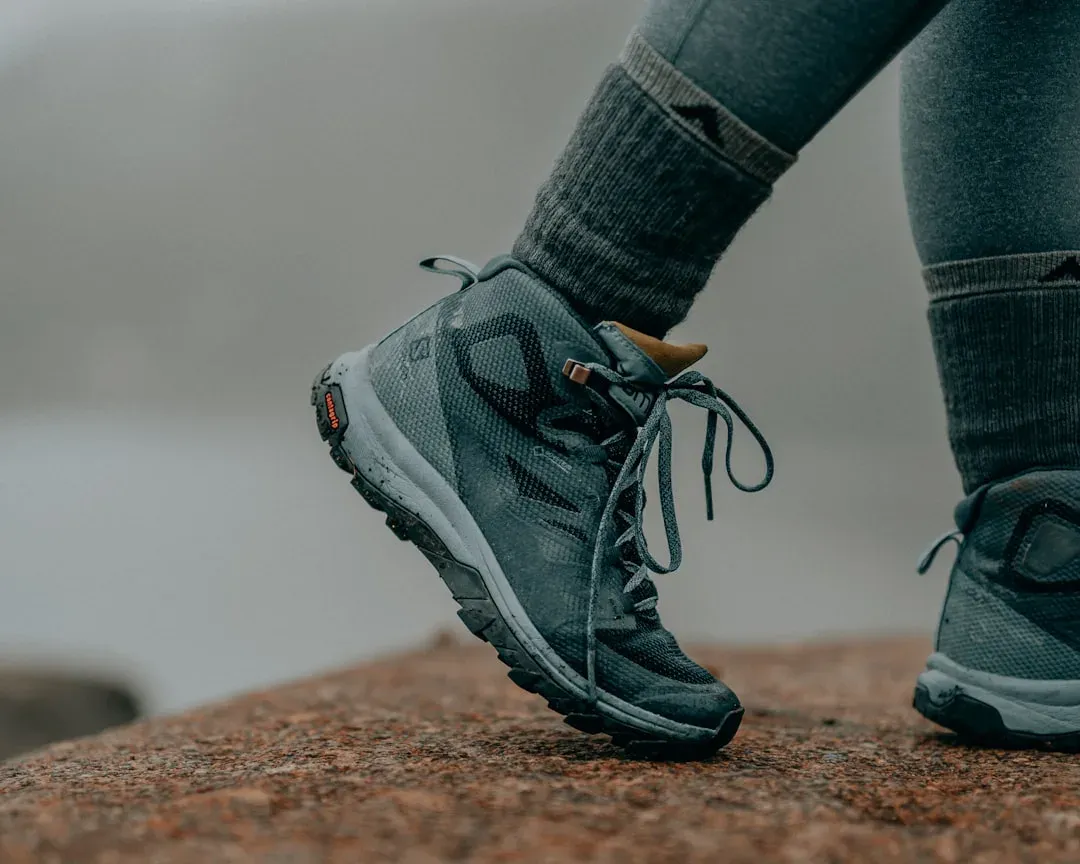
Hiking boots and trekking gear
Booking in Chamonix: where to look
We may earn a commission from the links below, at no extra cost to you. We only list services we would use ourselves.
- QEEQ — Car hire comparison with price drop alerts
- Auto Europe — Car hire across Europe and the UK
- Airalo — eSIM data the moment you land, no SIM swap
- Saily — Travel eSIM with per-country plans
Official Sources
Booking in Chamonix: where to look
We may earn a commission from the links below, at no extra cost to you. We only list services we would use ourselves.
- QEEQ — Car hire comparison with price drop alerts
- Auto Europe — Car hire across Europe and the UK
- Airalo — eSIM data the moment you land, no SIM swap
- Saily — Travel eSIM with per-country plans