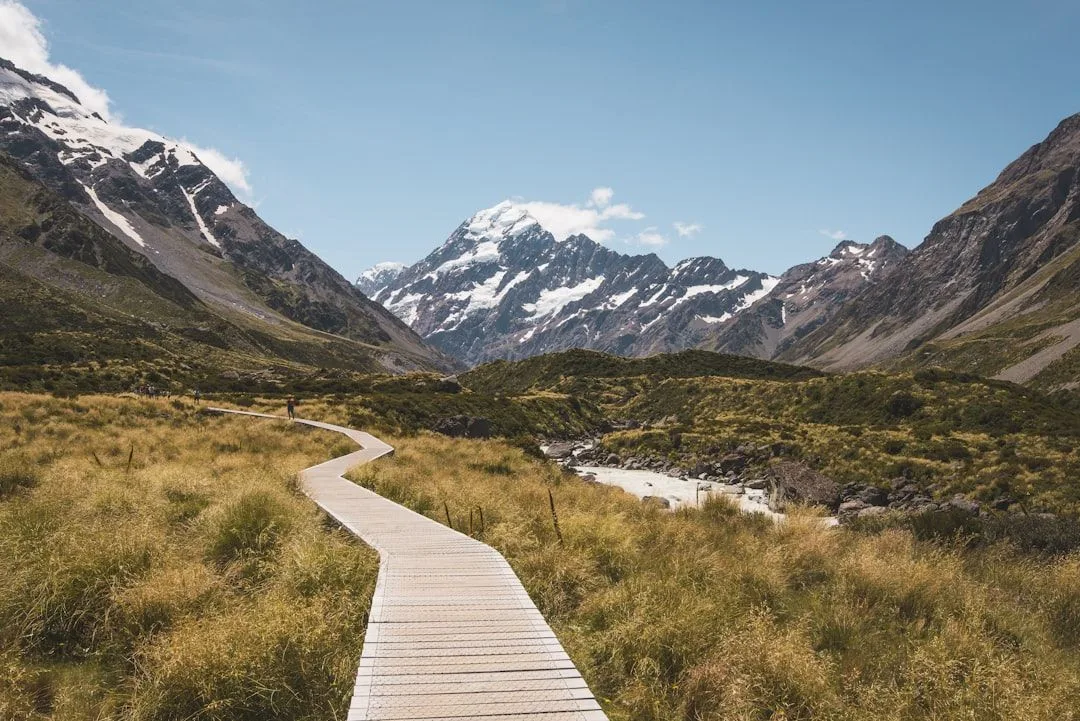
Torres del Paine cannot be walked without a confirmed bed for every night, and the beds are spread across several separate companies. Sorting this out is most of the planning.
How the booking actually works
Accommodation along the routes is run by multiple independent operators plus the park authority, and each has its own booking system.
The park requires a confirmed reservation for every night before permitting entry to the trek. Rangers check.
Which means the process is:
1. Decide the route and the number of nights.
2. Work out which site you need for each night.
3. Book each through whichever operator runs it.
4. Carry the confirmations.
Bookings open months ahead and the popular dates fill. Start early, and expect the process to be irritating rather than difficult.
W or O
The W — four to five days, covering the three main valleys: the base of the towers, the French Valley, and Grey Glacier. The shape on the map is where the name comes from.
The O — seven to nine days, the full circuit, including the W plus the remote back side of the massif over the John Gardner pass.
The O is walked anticlockwise only, which the park enforces, and the back section has far fewer people on it.
The pass is the hardest day and is weather-dependent; it can close.
Accommodation types
| Type | Note |
|---|---|
| Refugio bed | Dormitory, meals available, most expensive |
| Rented tent | Pitched and waiting, mat included |
| Own tent pitch | Cheapest, carry everything |
| Park-run site | Basic, still requires reservation |
Wild camping is prohibited and enforced.
Meals at refugios are expensive; carrying food is common and cooking is restricted to designated areas.
The three highlights
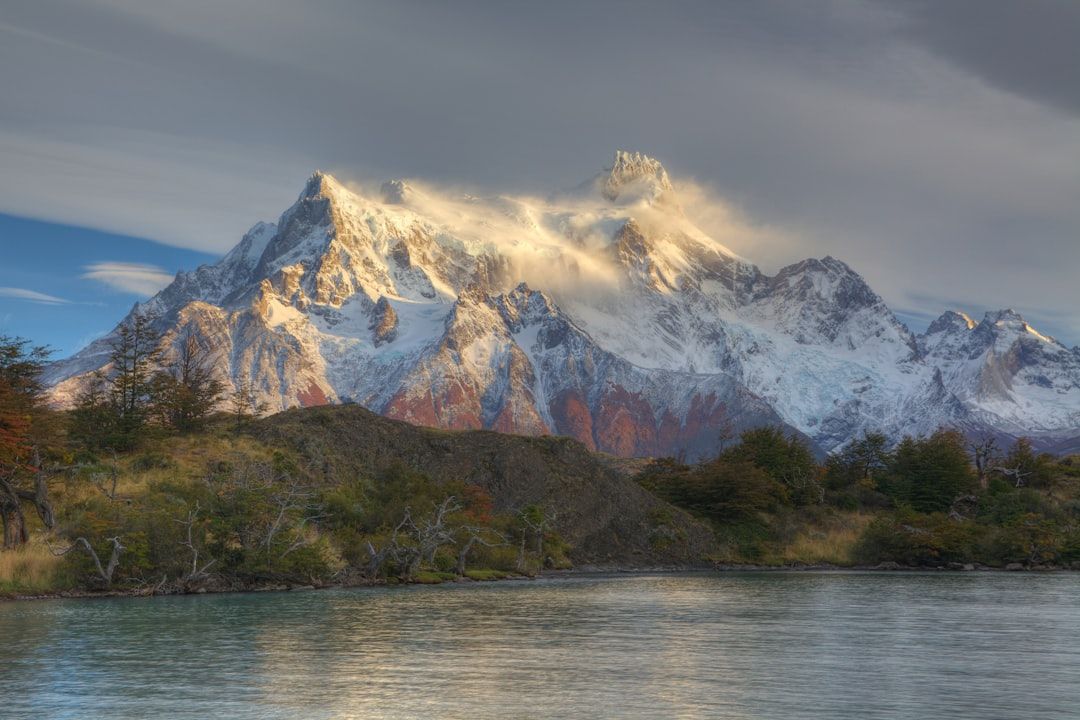
Base de las Torres — the towers themselves, above a lake. The classic view is at sunrise, which means starting in the dark from the nearest camp.
The French Valley — a hanging glacier that calves audibly across the valley, with a lookout at the top of the spur.
Grey Glacier — the terminus of the Southern Patagonian Ice Field, with boat trips and ice-trekking available.
The wind
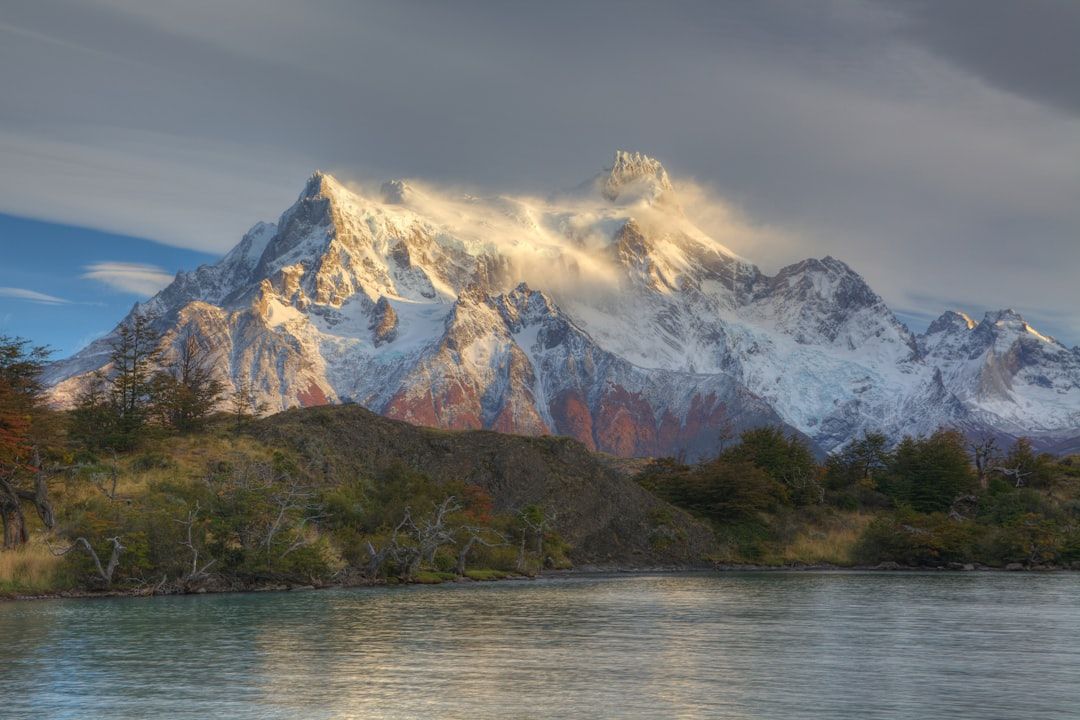
Sustained winds exceeding 100 km/h are routine from November to February.
It affects walking pace, which sections are safe, and whether a tent survives the night. Cheap tents fail here — this is not a theoretical warning.
The wind is strongest on lake shores and open sections, and it is a reason the park closes routes at short notice.
Getting there
Puerto Natales is the base, reached by bus from Punta Arenas or El Calafate.
Buses to the park run daily in season and connect with the catamaran across Lake Pehoé, which several itineraries depend on.
Gear rental in Puerto Natales is comprehensive and cheaper than carrying everything from home.
Season
November to March, with December to February busiest and windiest.
March and late October are quieter and, in some years, more settled.
Outside the season most refugios close and the O circuit is not open.