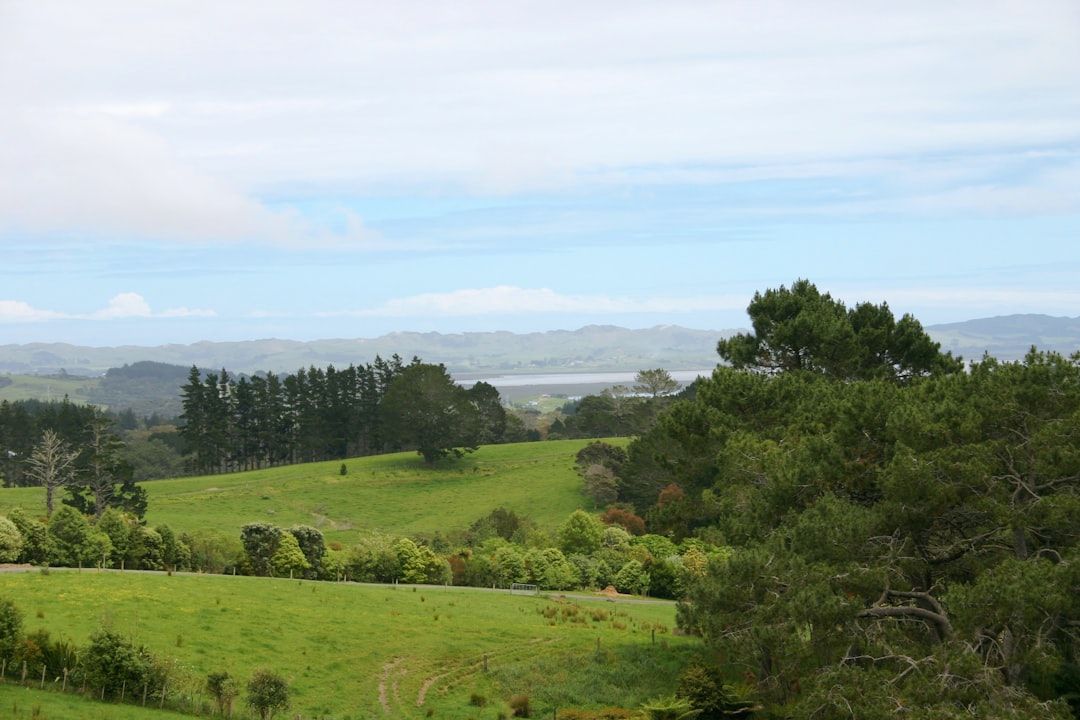
New Zealand's tramping is superb and its main hazard is not what visitors expect. It is not cliffs or exposure — it is water.
Rivers
River crossings are the leading cause of tramping deaths in New Zealand.
Rivers rise extremely fast after rain. A crossing that was ankle-deep in the morning can be impassable by afternoon, and the water carries gravel and logs.
The rule: if in doubt, wait. Rivers usually drop as quickly as they rise, often within hours. Huts are stocked on the assumption that people will sometimes be stuck.
Attempting a marginal crossing because of a schedule is the decision behind most of the deaths.
If you cross, do it linked with others, facing upstream, unbuckling the pack waist belt so it can be shed.
The hut system
Around a thousand huts run by the Department of Conservation, from basic shelters to serviced huts with bunks, mattresses and a warden.
An annual hut pass covers most standard and serviced huts, is inexpensive, and removes the need for individual tickets. Great Walk huts are excluded.
This is why non-Great-Walk tramping in New Zealand is so cheap.
Huts have bunks and often a stove; you carry food, sleeping bag and cooker.
The Great Walks and the alternatives
Nine Great Walks, booked through DOC, with the following season opening on published dates.
The Milford sells out within minutes. The Routeburn and Kepler go fast.
The alternatives use the same hut network with a hut pass and no scramble:
Travers-Sabine in Nelson Lakes. Rees-Dart and Cascade Saddle in Mount Aspiring. The Richmond Ranges. The Kaimanawas and Tararuas in the North Island.
Several of these are harder and better than the Great Walks beside them.
Beacons and intentions
Mobile coverage is absent across most backcountry.
A personal locator beacon is the only reliable way to summon help, and they rent cheaply from outdoor shops and visitor centres.
Leave your intentions with someone who will raise an alarm, including your route and return date. DOC's system and the outdoor safety code both centre on this.
Sandflies
On the West Coast and in Fiordland they are relentless, particularly at dawn and dusk near water.
Repellent is not optional there, and covering ankles and wrists matters more than most visitors anticipate. The bites itch for days.
Weather
Four seasons in a day is accurate rather than a cliché. The Southern Alps generate their own weather and the west coast receives extraordinary rainfall.
Carry full waterproofs and warm layers regardless of the forecast, on any multi-day route and most day walks above the bushline.
The two islands
South Island — the Southern Alps, glaciers, fiords, and the serious terrain.
North Island — volcanic, with the Tongariro Alpine Crossing as the most-walked track in the country, subject to shuttle systems and parking restrictions.
Practical
Season: Great Walks roughly late October to April; backcountry year round with alpine conditions in winter.
Book Great Walks the day bookings open, or plan around alternatives from the start.
Buy a hut pass if doing more than a few nights.