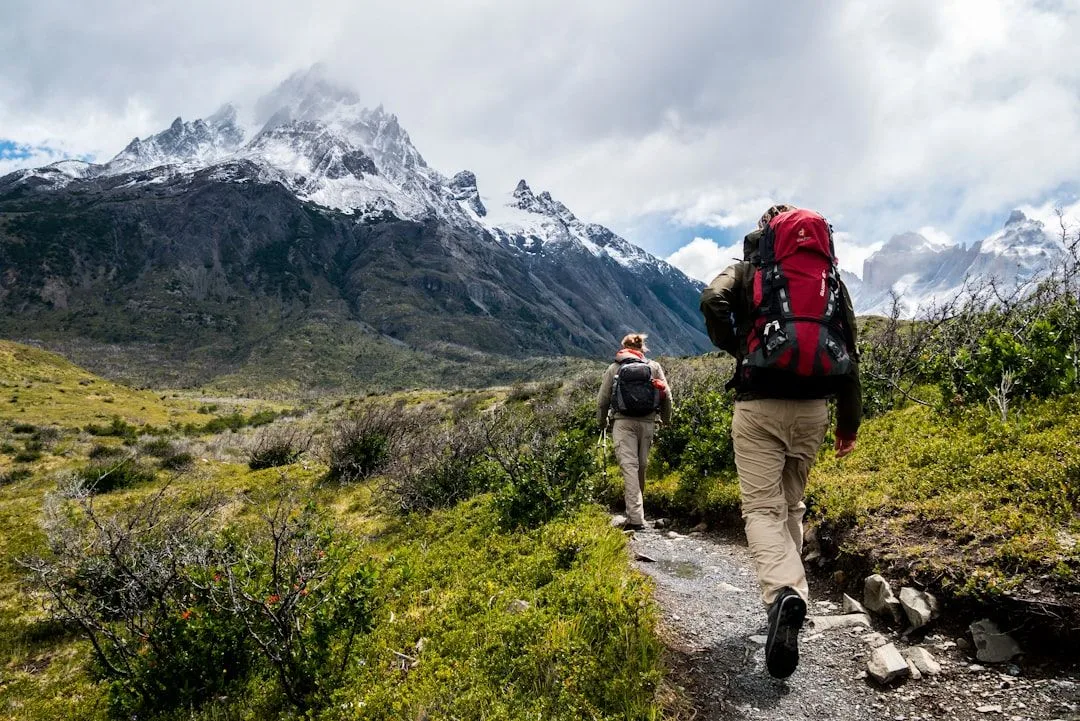
Kilimanjaro is a walk. There is no technical climbing, no rope and no equipment beyond warm clothes and boots. What decides whether you reach the top is almost entirely how many days you spend getting there.
Days beat fitness
Summit success correlates strongly with acclimatisation time, not with how fit you are.
Five-day attempts have substantially lower success rates than seven- or eight-day itineraries on the same mountain.
The extra days are the single most effective thing you can buy. An operator selling a cheap five-day ascent is selling a lower chance of standing on the summit.
The routes
| Route | Days | Character |
|---|---|---|
| Lemosho | 7–8 | Best acclimatisation, scenic, quieter start |
| Machame | 6–7 | Popular, good profile, busy |
| Rongai | 6–7 | North side, drier, gentler, less scenic |
| Marangu | 5–6 | Huts, lowest success rate |
| Northern Circuit | 9 | Longest, highest success, most expensive |
Marangu is marketed as the easy route because it has huts rather than tents. Its profile ascends too fast, and its success rate is the lowest.
Lemosho and Machame both include the climb high, sleep low pattern at Lava Tower, which is why they work.
Summit night
The part nobody adequately describes.
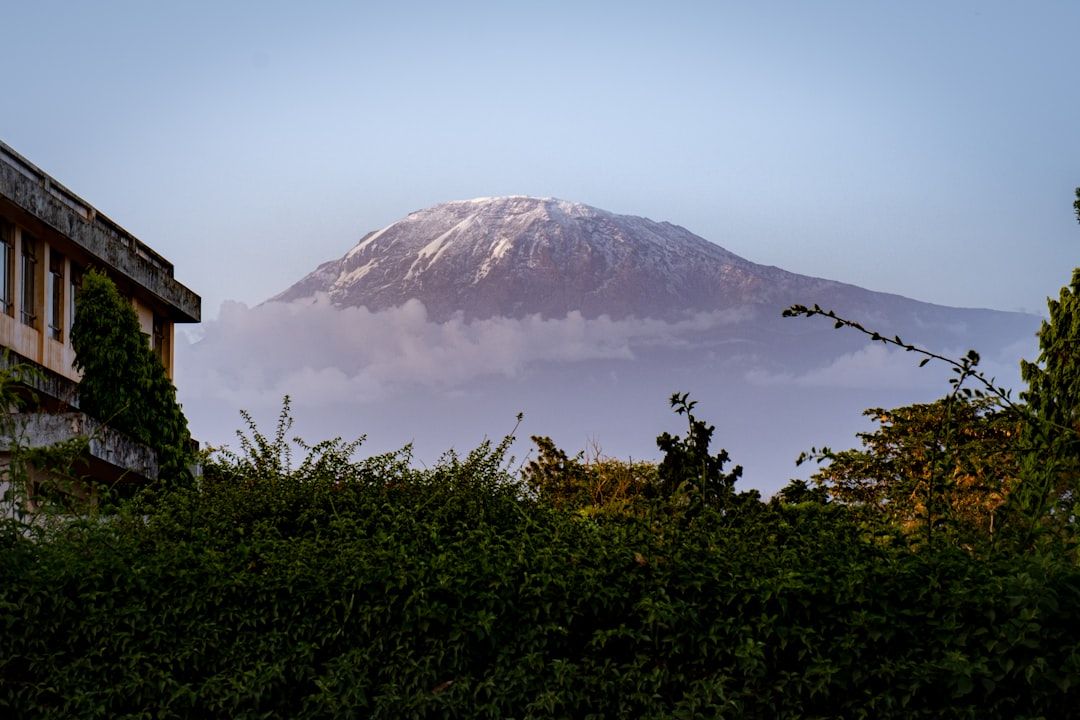
A midnight start from around 4,600 metres, climbing in the dark and severe cold — routinely below −15°C with wind — to reach Stella Point on the crater rim for sunrise, then Uhuru Peak beyond it.
Then descending thousands of metres the same day, on tired legs.
Twelve to sixteen hours of movement, and it is where most people struggle. The cold, the dark and the altitude arrive together after six days of walking.
Keep water in an insulated bottle or inside your jacket; hydration bladder tubes freeze.
What it is actually like
The mountain passes through five climate zones — cultivated farmland, rainforest, moorland with giant lobelias and groundsels, alpine desert, and the arctic summit.
That progression, over a week, is a large part of why the trek is worth doing regardless of the summit.
The glaciers at the top have retreated dramatically and continue to.
Porter welfare
A real and long-standing issue on this mountain.
Regulations and voluntary programmes set limits on loads and require proper equipment and pay, and operators vary widely in compliance.
The meaningful check: membership of a recognised porter welfare organisation, and direct questions about wages, load limits, sleeping arrangements and whether porters are fed properly.
The price difference between a cheap operator and a good one is largely this.
Practical
Season: January to mid-March and June to October are the dry windows. The long rains in April and May and short rains in November make routes muddy and cold.
Book a longer route than you think you need.
Insurance covering evacuation from 5,895 metres — standard policies do not.
Rent the heavy cold-weather gear in Moshi or Arusha rather than buying it for one trip.
Diamox is commonly used and is a medical decision — discuss it with a doctor rather than a guide.