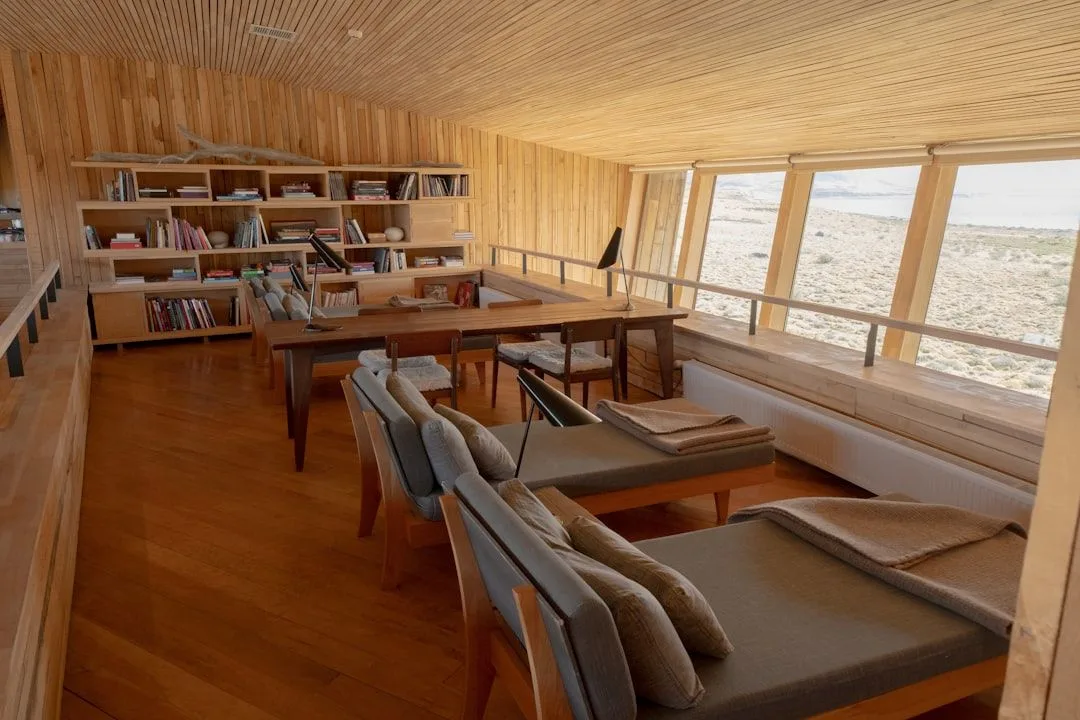
The Inca Trail is 43 kilometres over four days and two high passes. The second day is considerably harder than the marketing conveys, and the rest is moderate.
The four days
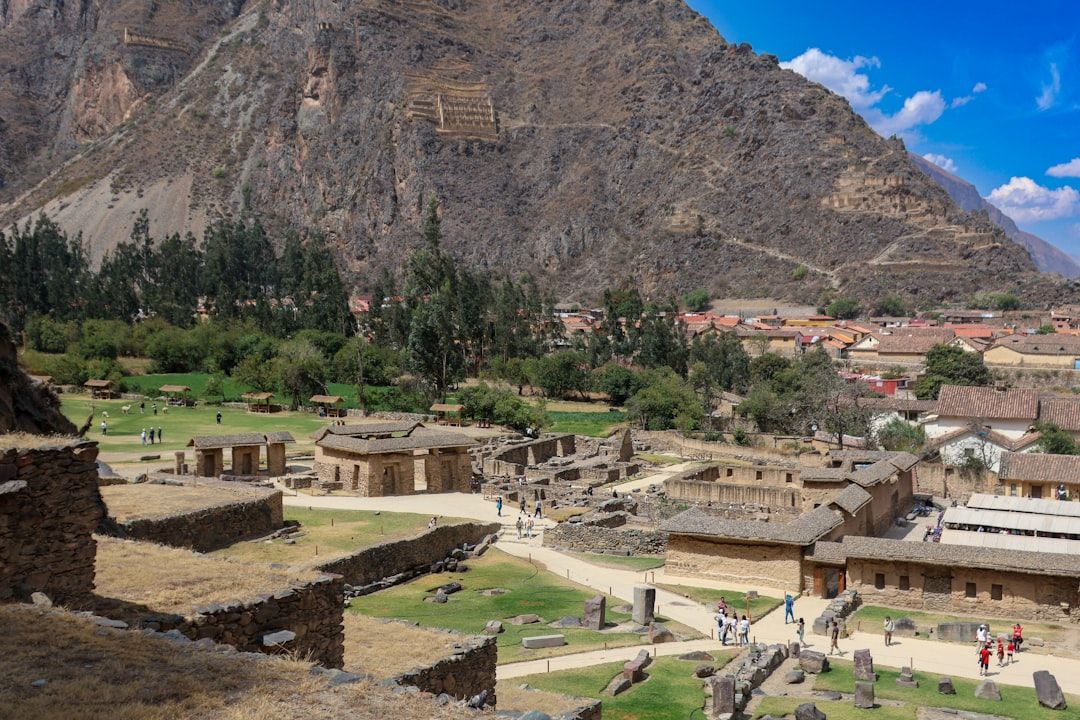
Day 1 — from Km 82 near Ollantaytambo, a gentle valley walk with the first ruins at Llactapata. Around 11 km, mostly easy, camping around 3,000 metres.
Day 2 — the hard one. A sustained climb of roughly 1,200 metres on stone steps to Dead Woman's Pass at about 4,215 metres, then a steep descent.
This is where altitude, stairs and fitness all arrive at once. There is no way around it and no shortcut.
Day 3 — the longest and the best. A second pass, then Inca sites at Runkurakay, Sayacmarca and Phuyupatamarca, and a long descent through cloud forest to Wiñay Wayna, which is the finest ruin on the route.
Day 4 — a pre-dawn start to reach the Sun Gate (Inti Punku) and descend to Machu Picchu.
The Sun Gate arrival
The original approach to the site. Walkers arriving on foot see Machu Picchu the way it was intended to be seen — from above, at a distance, framed by the gate.
Whether cloud clears at the right moment is luck. Some mornings it is entirely obscured and then opens in minutes.
This is the substantive difference between walking and taking the train, and it is the reason people do it.
Permits
A fixed daily quota covering trekkers, guides and porters together — so the trekker allocation is a fraction of the headline number.
Sells out five to six months ahead for peak season. Non-transferable, and only bookable through licensed operators.
Closed in February for maintenance.
If the permits are gone for your dates, Salkantay is higher, harder and needs no permit.
Porters
Regulations set weight limits and require operators to provide equipment and insurance.
Reputable companies exceed the minimums; the cheapest do not.
Asking directly about load limits, sleeping arrangements and pay is reasonable and normal. Price differences between operators frequently reflect exactly this, and the cheapest quote is usually cheap for a reason you would not want to be responsible for.
Tipping at the end is customary, and guidance on amounts is usually given by the operator.
Acclimatisation
Cusco sits at around 3,400 metres and the trail goes to 4,215.
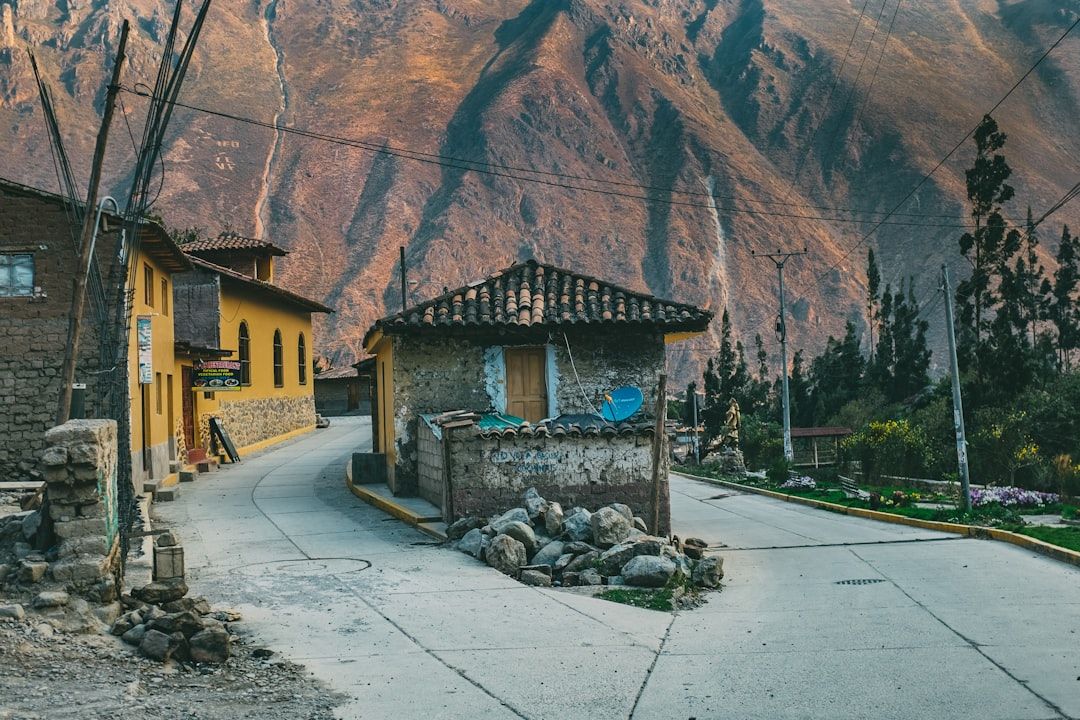
At least two full days before starting, and the Sacred Valley — Ollantaytambo, Urubamba — is lower and a better place for them than Cusco itself.
Arriving by air from sea level and starting the trek two days later is the common pattern and the common problem.
Practical
Season: May to September is the dry season. The shoulder months are quieter and wetter.
The stone steps are the defining surface — uneven, worn, and hard on knees descending. Poles with rubber tips are permitted and worth carrying.
Machu Picchu entry uses timed slots and designated circuits, and the rules change — confirm what your operator has booked.
Duffel weight limits apply to what porters carry for you; the rest goes in your daypack.