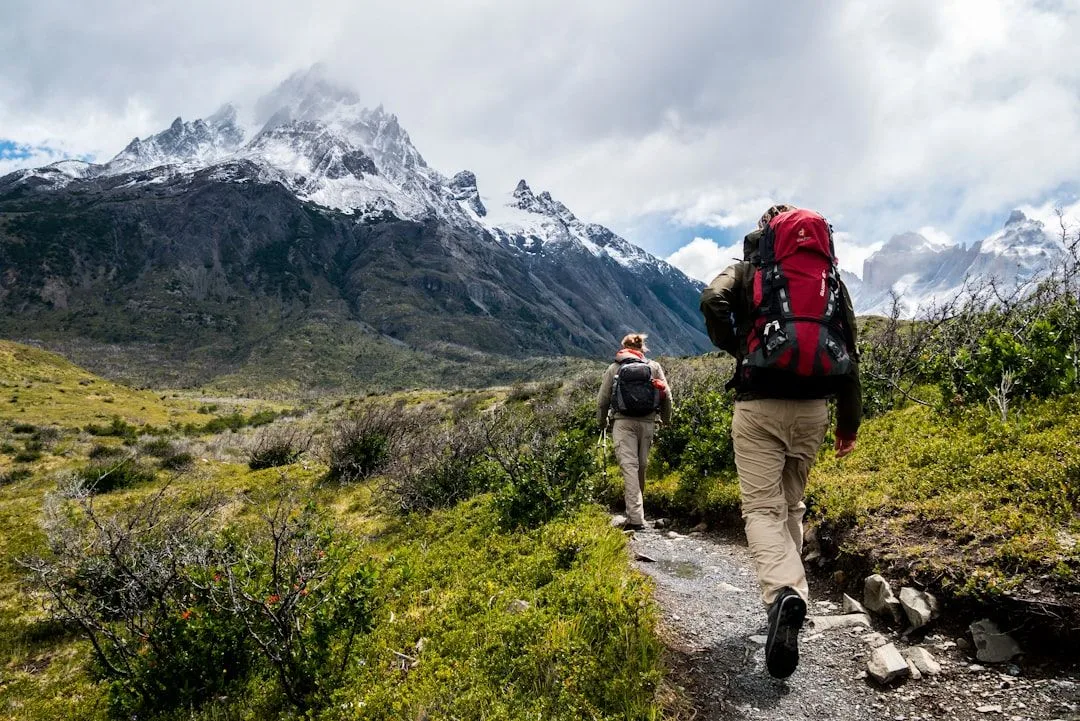
Everest Base Camp is a fixed sequence of villages up one valley. The schedule is not an itinerary preference — it is the acclimatisation plan, and it is why the trek takes as long as it does.
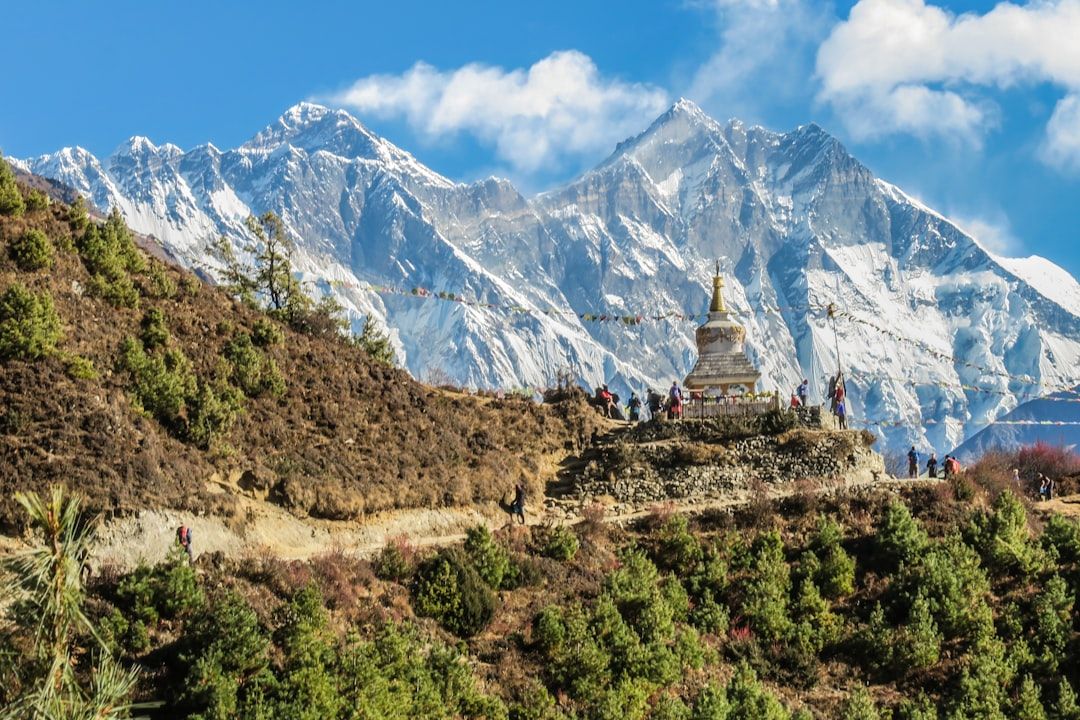
The sequence
| Day | Village | Altitude |
|---|---|---|
| 1 | Lukla → Phakding | 2,610 m |
| 2 | Namche Bazaar | 3,440 m |
| 3 | Acclimatisation, Namche | 3,440 m |
| 4 | Tengboche | 3,860 m |
| 5 | Dingboche | 4,410 m |
| 6 | Acclimatisation, Dingboche | 4,410 m |
| 7 | Lobuche | 4,940 m |
| 8 | Gorak Shep, Base Camp | 5,164 m |
| 9 | Kala Patthar, descend | 5,550 m |
| 10–13 | Descent to Lukla |
Twelve to fourteen days round trip, plus buffer days at each end for the flight.
The acclimatisation days matter
Namche and Dingboche are rest days in name only. The principle is climb high, sleep low — you walk several hundred metres higher during the day and return to sleep at the same altitude.
At Namche the standard walk is up to the Everest View Hotel and back. At Dingboche it is Nangkartshang peak.
Skipping these is the most common serious mistake on the route, and some cheap itineraries compress them. That compression is the thing to check when comparing operators.
Base Camp does not have the view
Worth knowing before the trip.
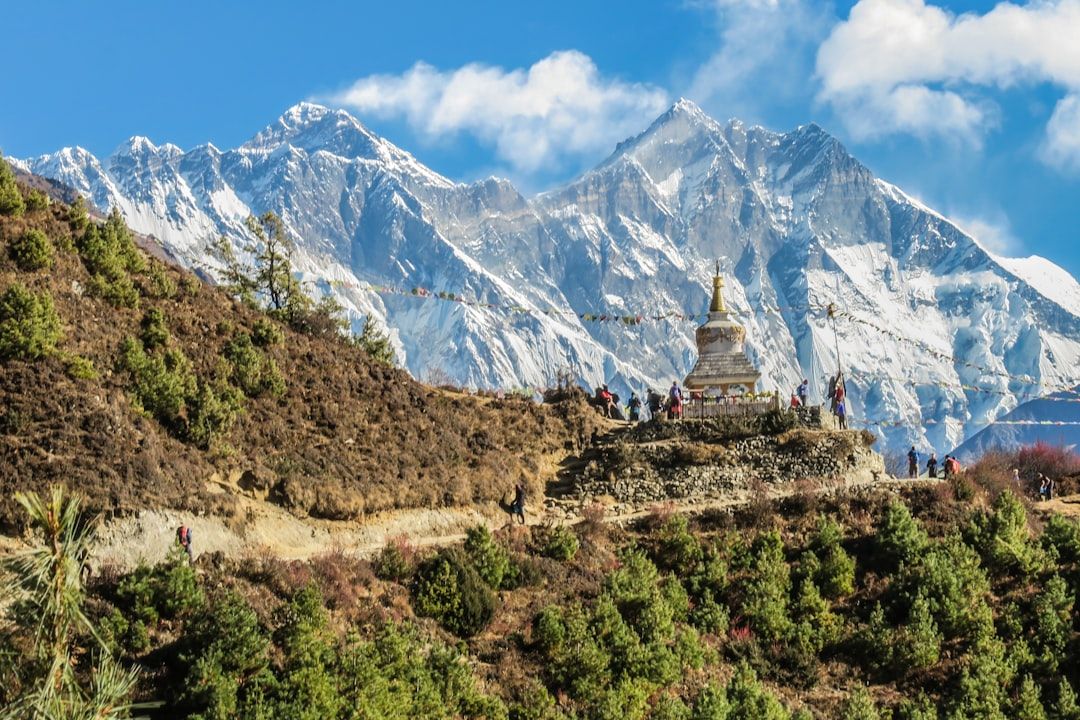
Base Camp sits on the Khumbu glacier moraine and Everest is hidden behind Nuptse from there. In spring there are expedition tents; outside the climbing season it is rocks and ice.
Kala Patthar, a hill at around 5,550 metres opposite, is where the view of Everest actually is. It is climbed at sunrise, in the cold and dark, and it is the highest point of the trek.
Most itineraries do Base Camp one afternoon and Kala Patthar the following dawn.
The Lukla flight
The airstrip sits in a mountain valley with no instrument approach, so flights operate only in clear conditions and morning weather windows.
Delays of a day or more are common. Buffer days at both ends are not optional, and people miss international flights home every season because they did not build them in.
Helicopter transfers exist as an expensive alternative when flights are backed up.
Flights sometimes operate from Ramechhap rather than Kathmandu in peak season, which adds a pre-dawn road transfer — check which applies to your dates.
Along the way
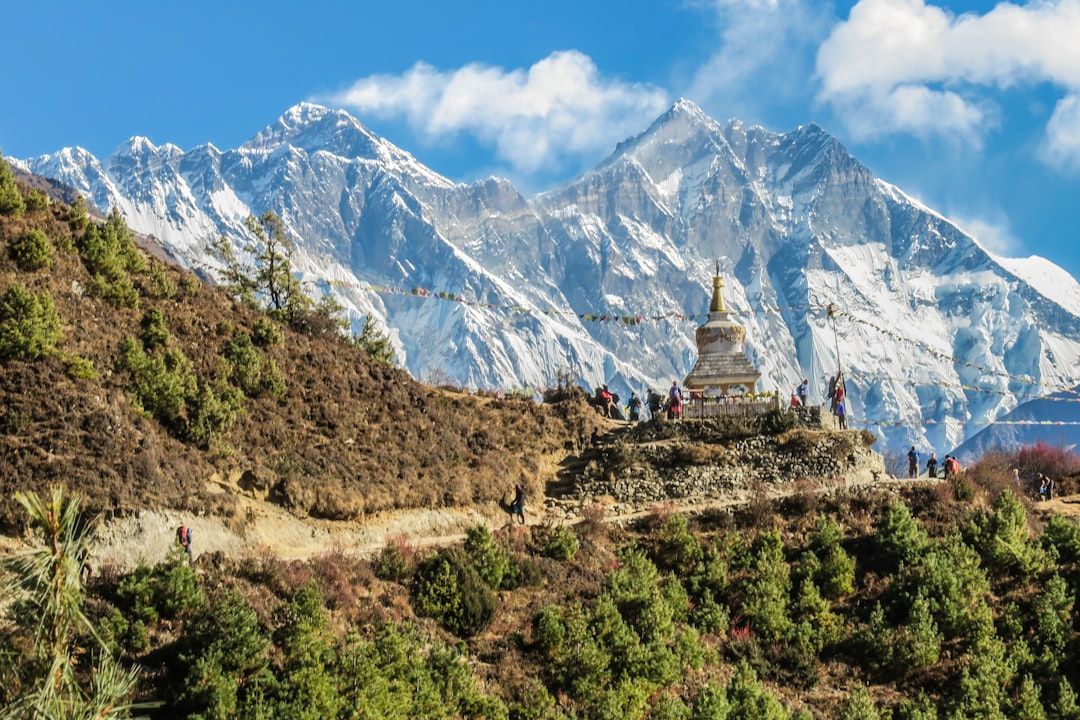
Namche Bazaar — a horseshoe-shaped town built into the hillside, with a Saturday market, bakeries and gear shops.
Tengboche monastery, with Ama Dablam behind it, which many walkers rate as the most beautiful mountain on the route.
The memorials at Thukla pass, for climbers who died on the mountains, which is a sobering stretch.
Gokyo — an alternative or extension via the Cho La pass, with lakes and a summit view many prefer to Kala Patthar.
Practical
Prices rise with altitude, since everything is carried or flown up. Charging and hot showers cost extra and increasingly so higher up.
Dal bhat is the reliable meal, traditionally with refills.
Insurance must cover trekking to 5,600 metres and helicopter evacuation.
Check the current guide requirement for the route, which has changed in recent years.