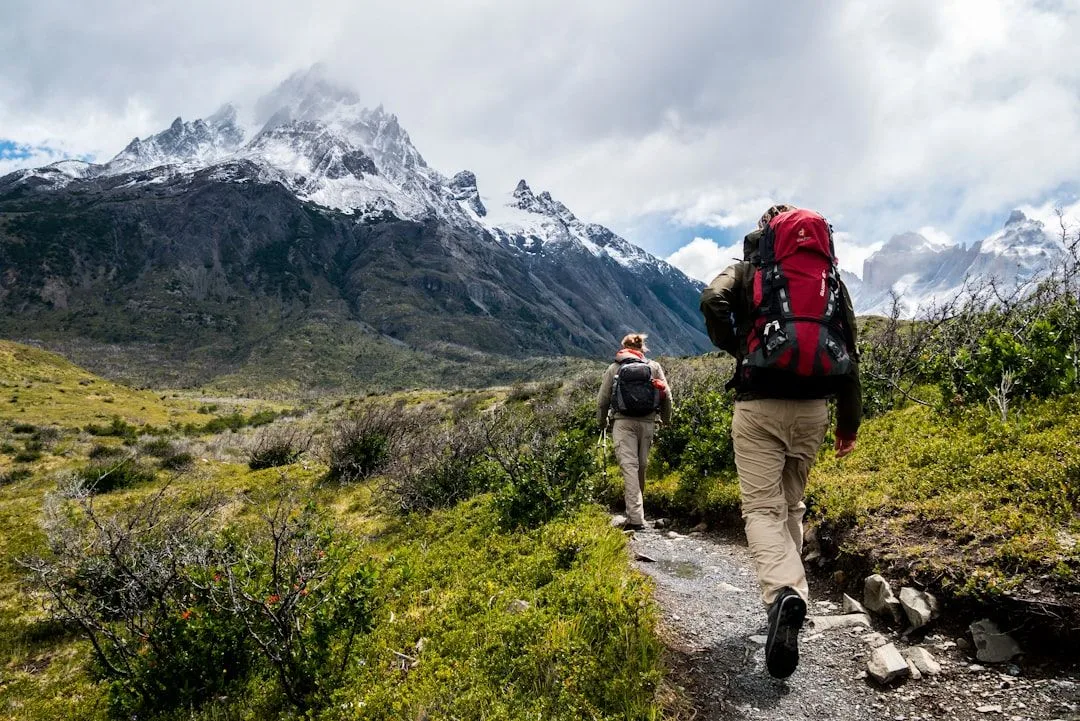
The Dolomites offer the best hut food in the Alps, pale limestone towers unlike anything else in Europe, and a via ferrata network that exists because a war was fought across these mountains.
The Alta Via routes
Alta Via 1 — from Lago di Braies to Belluno, roughly a week, non-technical but sustained. The most accessible and the busiest.
Rifugi book months ahead for July and August.
Alta Via 2 — harder, with via ferrata sections, and considerably quieter.
Alta Via 3 to 6 — progressively more remote and less waymarked.
All can be walked in sections, since lifts and buses reach many of the stages.
Via ferrata
Protected climbing routes with fixed steel cables, ladders and pegs.
Equipment: a harness, a purpose-made via ferrata lanyard with an energy-absorbing shock pack, and a helmet. All rentable locally.
The lanyard must be a proper via ferrata set — a fall onto improvised static slings generates forces the body cannot absorb. This is the one non-negotiable.
Many routes originated as military works in the First World War, when Italian and Austro-Hungarian forces fought across this range. Some pass through wartime tunnels and gun positions cut into the rock.
Graded from straightforward — cables on a walking route — to seriously exposed and strenuous. Start low and go with someone experienced or a guide.
The rifugi
Better than most Alpine huts, because they are Italian.
Proper meals, wine, and in some cases a terrace with a view that would command a fortune anywhere accessible by road.
Half board is standard. Book ahead in season, bring a sleeping bag liner, and carry some cash.
Many are reachable by lift, which means good food at altitude is available on a day walk.
The day walks
Tre Cime di Lavaredo — the circuit around the three peaks, about 10 km, largely level, and the most famous view in the range. A toll road reaches the start and it is very busy; go early.
Seceda — the tilted ridge above Val Gardena, reached by lift, with the classic photograph and walking beyond it.
Lago di Braies — the lake at the start of the AV1, extremely photographed, with access restrictions in peak season to manage numbers. Check current arrangements.
Cinque Torri — five rock towers with a preserved open-air war museum of trenches and positions around them.
Sassolungo circuit and the Puez-Odle plateau.
Getting around
A car helps considerably, though summer bus networks in the valleys are decent and the Dolomiti Supersummer lift pass covers the cable cars.
The passes — Sella, Pordoi, Gardena, Falzarego — are drivable and spectacular, and are also cycled by large numbers of people in summer.
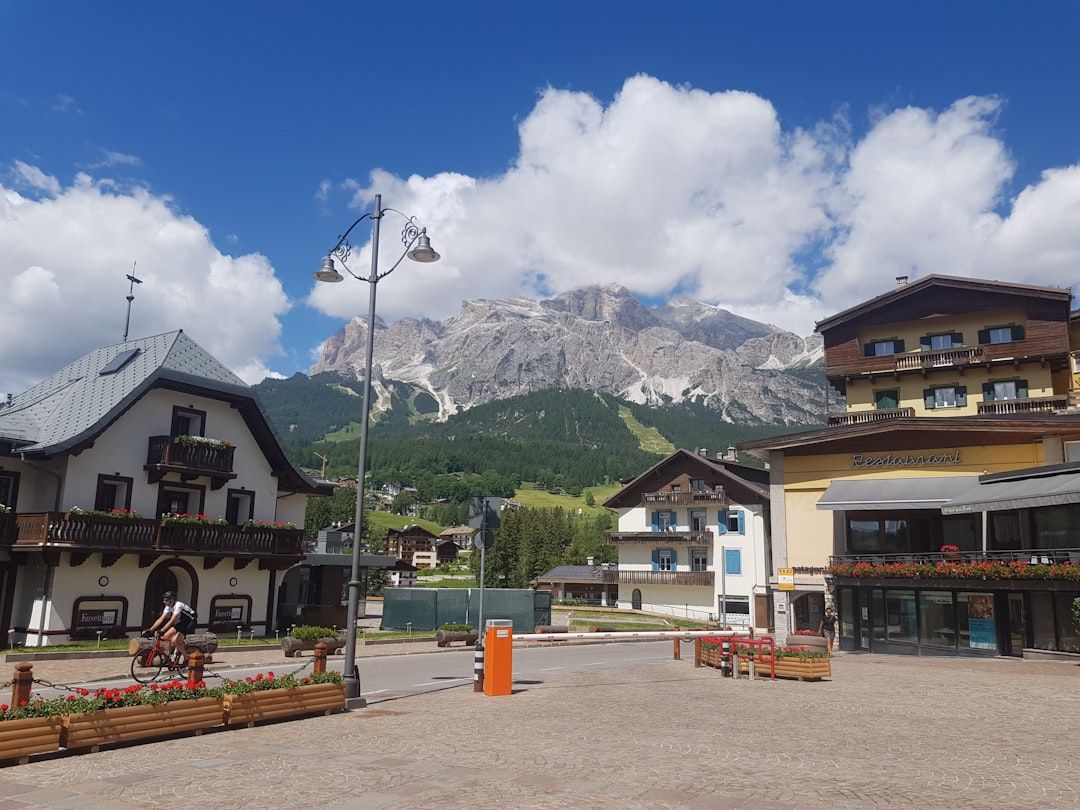
Bases: Cortina, Val Gardena, Alta Badia, San Martino di Castrozza.
The language thing
Three languages are spoken here — Italian, German and Ladin, a Rhaeto-Romance language surviving in the valleys.
Place names appear in two or three versions on maps and signs, which is confusing until you know why.
Season
Late June to late September, when rifugi are open and passes are clear.
Early July can still hold snow on north-facing sections.
September is the best month — settled weather, open huts, fewer people.