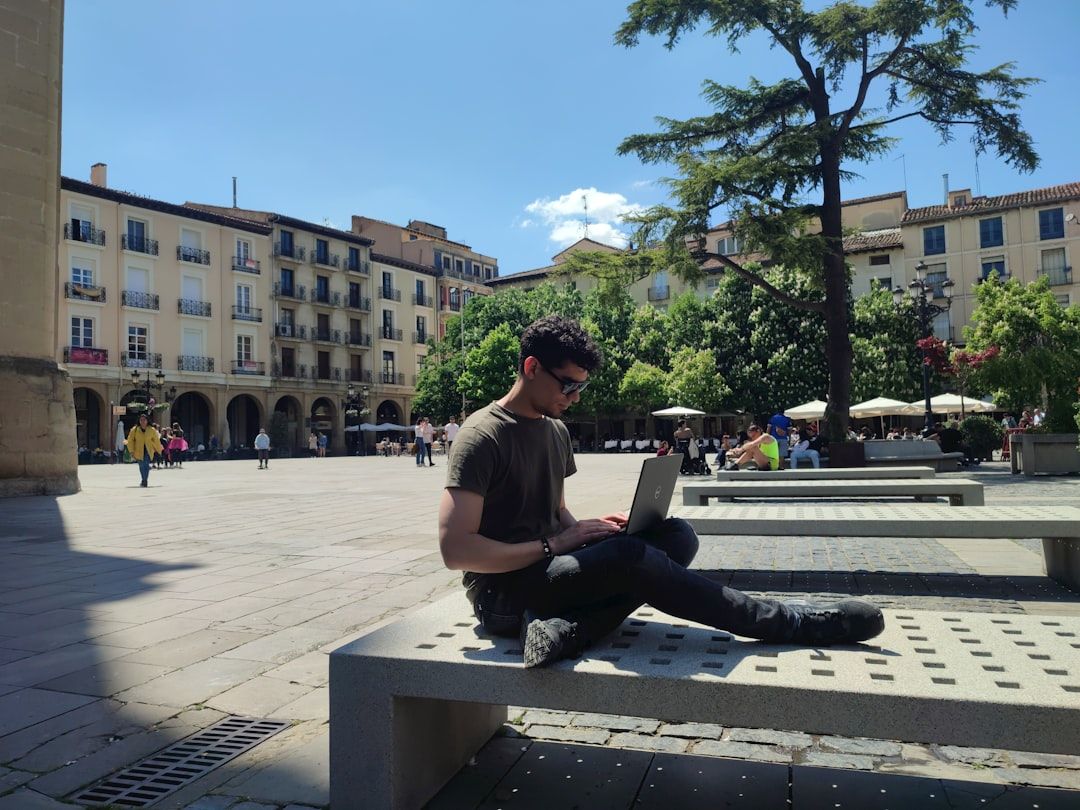
The Camino is a network rather than a path. Choosing between the routes determines whether you spend five weeks meeting people every hour or five weeks largely alone.
The routes
| Route | Length | Character |
|---|---|---|
| Francés | ~780 km | The classic; most infrastructure, most people |
| Portugués | ~240 km from Porto | Shorter, gentler, growing fast |
| Norte | ~825 km | Northern coast; scenic, hillier, quieter |
| Primitivo | ~320 km | Oldest and hardest; mountainous |
| Vía de la Plata | ~1,000 km | From Seville; hot, empty, remote |
| Inglés | ~120 km | From Ferrol; short, and qualifies |
The Francés
From Saint-Jean-Pied-de-Port over the Pyrenees, across the meseta, and into Galicia. About five weeks.
The infrastructure is unmatched — albergues every few kilometres, waymarking that requires no map, and a social culture that is the point for many walkers.
The meseta, the flat middle section, is where people either find the walk or skip it by bus. It is monotonous and it is also what the Camino is about.
The last hundred kilometres from Sarria is by far the busiest section, because that is the minimum distance for the Compostela.
The alternatives
The Norte — along the Cantabrian and Basque coast. Hillier, more scenic, considerably quieter, and more expensive since it passes through resort towns.
The Primitivo — the original route from Oviedo, over mountains, and the hardest. It joins the Francés near Melide.
The Portugués — from Porto, either the inland or the coastal variant, and about two weeks. Growing fast in popularity.
The Vía de la Plata — from Seville, a thousand kilometres through Extremadura and Castile. Hot, remote, with long stages between villages and genuine solitude.
The credencial
The pilgrim passport, stamped at albergues, churches and bars along the way.
Required to stay in pilgrim albergues, and required to claim the Compostela in Santiago, which needs the last 100 km on foot or 200 km by bicycle.
Obtainable from pilgrim offices, some churches, and the confraternities in various countries before departure.
Booking, or not
Traditionally none — the albergue system runs first-come.
The Francés route's popularity means some pilgrims now reserve ahead in peak months, particularly in the final hundred kilometres.
Private albergues take bookings; municipal ones generally do not. Walking with no reservations is still entirely possible outside July and August, and it is how the route is meant to work.
Timing
May, June and September avoid both the summer heat on the meseta and the winter weather in the mountains.
July and August are hot and full.
Winter on the Francés is possible with many albergues closed; on the Norte and Primitivo it is a serious undertaking.
Holy Years, when the feast of St James falls on a Sunday, bring substantially more pilgrims.
Practical
Blisters end more Caminos than anything else. Broken-in shoes, wool or synthetic socks, and treating hot spots before they become blisters.
Carry less. The standard advice is under 10% of body weight, and most people start too heavy and post things home from Burgos.
Luggage transfer services operate on the main routes and are widely used, including by people who walk every step.